
Introduction
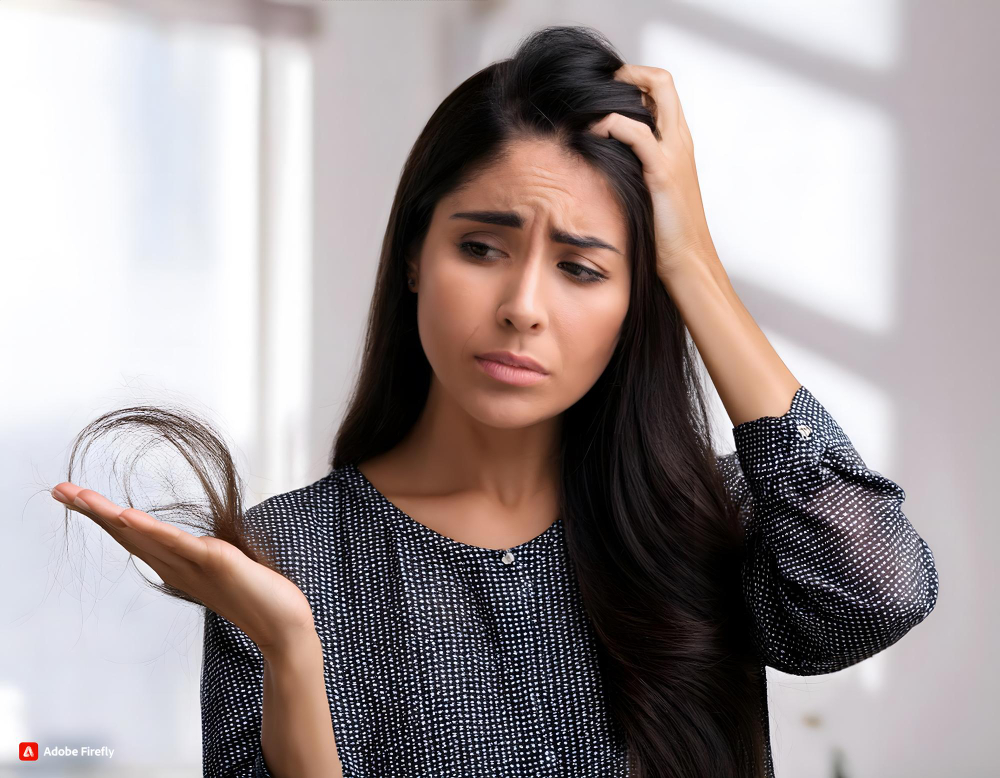
Hair fall in women is a common concern. Many women notice more hair on their pillow or in the shower. While some hair loss is normal, too much can be worrying. In fact, hair fall in women can affect self-esteem and daily life. Often, causes include hormonal changes, stress, and poor nutrition. According to the World Health Organization (WHO), hair health reflects overall well-being. Therefore, understanding why hair falls out helps women take better care of themselves.
Common Symptoms of Hair Fall in Women
Usually, hair fall in women shows up in several ways. For example, you might notice:
Sometimes, these symptoms appear slowly. On the other hand, sudden hair loss may signal a health issue. If you see bald spots or rapid thinning, it is best to talk to a doctor.
Hormonal Changes and Their Impact on Hair Growth
Hormonal changes play a big role in hair fall in women. For instance, pregnancy, menopause, and thyroid problems can all affect hair growth. During pregnancy, some women notice thicker hair. However, after childbirth, hair may shed more than usual. Menopause often leads to thinning hair because estrogen levels drop. Additionally, conditions like polycystic ovary syndrome (PCOS) can cause hormonal hair loss. According to the Centers for Disease Control and Prevention (CDC), thyroid issues can also lead to hair thinning. Therefore, checking hormone levels is important if you notice changes in your hair.
The Role of Stress in Female Hair Loss
Stress can make hair fall in women worse. When you feel stressed, your body releases certain hormones. These hormones can push hair follicles into a resting phase. As a result, more hair falls out than usual. This type of hair loss is called telogen effluvium. For example, big life changes, illness, or emotional stress can trigger it. While stress-related hair fall is often temporary, it can last for months. Managing stress with relaxation, exercise, or talking to someone can help reduce hair loss.
Nutrition and Its Effect on Hair Health
Good nutrition is key for healthy hair growth. If you do not get enough vitamins or minerals, hair fall in women can increase. For example, low iron, vitamin D, or protein can all cause hair to thin. According to medical journals, eating a balanced diet helps keep hair strong. Important nutrients for hair include:
Therefore, eating a variety of healthy foods supports hair growth and reduces hair loss.
Diagnosis: How Hair Fall in Women Is Evaluated
Doctors use several steps to diagnose hair fall in women. First, they ask about your health, diet, and family history. Next, they may check your scalp and hair closely. Sometimes, blood tests help find causes like low iron or thyroid problems. In some cases, a doctor may gently pull a few hairs to see how much comes out. Rarely, a small scalp sample is needed for testing. Early diagnosis helps find the right treatment for female hair loss.
Treatment Options for Hair Fall in Women
Treating hair fall in women depends on the cause. For example, if low iron is found, iron supplements may help. If hormones are the problem, doctors might suggest medicine to balance them. Other common treatments include:
Sometimes, treating stress or improving nutrition can also reduce hair loss. It is important to follow your doctor’s advice for best results.
Lifestyle Tips for Healthier Hair
Simple changes can help keep hair healthy. For instance, you can:
Additionally, staying active and managing stress supports overall hair health.
Prevention Strategies for Hair Fall in Women
Preventing hair fall in women starts with good habits. For example, eat a balanced diet rich in vitamins and minerals. Also, avoid over-processing hair with chemicals or heat. Regular check-ups can help catch health issues early. If you notice more hair loss than usual, talk to a healthcare provider. Early action often makes a big difference in keeping your hair healthy.